

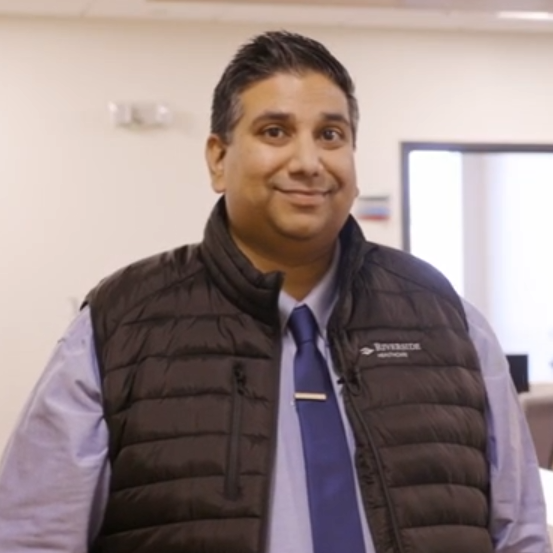
Not every illness or injury needs an emergency room visit. But, it also cannot always wait for the next open slot with your primary doctor. That is the solution immediate care provides. In this article, we turn to the expertise of Akash Rana, Director of Immediate Care and Workforce Health, and Cheryl Hansen, nurse practitioner (NP). The duo describes what services are available and when to use them.
What Is Immediate Care?
“Our immediate care clinics help bridge the gap between your primary care provider and the emergency room,” Rana states. These clinics treat illnesses and injuries that need quick attention but are not life-threatening. Evening and weekend hours make it easy to get care when your doctor's office is closed or full. That, in itself, is reassuring.
Clearing Up Common Misconceptions
Many people think immediate care is only for colds and the flu. That is not true. “In reality, we can evaluate and treat a wide range of illnesses and injuries,” notes Hansen. “We perform X-rays, do lab testing, address minor laceration repairs and work-related injuries, and much more.” Another myth is that you need an appointment. The truth is, walk-ins are always welcome.
Immediate Care: Expanding People’s Expectations
Immediate care handles far more than most people expect. “A lot of people do not know we can perform stitches for lacerations,” Rana shares. “Also, with our X-ray capabilities on site, we can check for fractures. We treat burns, splinter removals, rashes, and sports injuries.” Urinary tract infections (UTIs), ear infections, and allergic reactions round out the list.
Hansen reinforces this, noting patients are often surprised (and delighted) by how much immediate care offers. "We also offer occupational services including drug and breath alcohol testing, DOT physicals, pre-employment physicals, sports physicals, school physicals, vaccinations, and treatment for workplace injuries. Many people don't realize they can receive comprehensive diagnostic and treatment services in one visit.”
Do You Have to Go to the Emergency Room?
Simple strains, sprains, minor fractures, basic cuts needing sutures or glue, and minor burns can all be treated at immediate care. Again, onsite X-ray imaging affords for real-time results and a splint or cast if needed. From there, patients can get a referral to a specialist or their primary care provider for follow-up.
Immediate care can also help with dehydration, severe migraines, and asthma flare-ups. “Our goal is to quickly evaluate symptoms, provide relief, and determine whether additional care is needed,” Hansen emphasizes. Staff can also help patients find or schedule an appointment with a primary care provider.
A Note About Onsite Lab Testing
In the immediate care setting, trained staff can draw blood and collect urine and stool samples. These samples get sent to Riverside's lab for testing. “It helps us test our patients and get them answers quickly without having to go somewhere else,” Rana reinforces. Of course, results are always communicated to the appropriate provider.
Immediate Care Locations and How to Get Checked Out
Riverside runs five immediate care locations: Kankakee, Bourbonnais, Coal City, Watseka, and Bradley at the Atrium campus. Patients can walk in without an appointment. They can also reserve a spot online through MyChart. Extended evening hours and weekend availability make it easier to get care when needed most. To learn more about immediate care services at Riverside, visit myrhc.net/ic.