Expectations for a Hearing Test and Follow-Up Care
November 15, 2026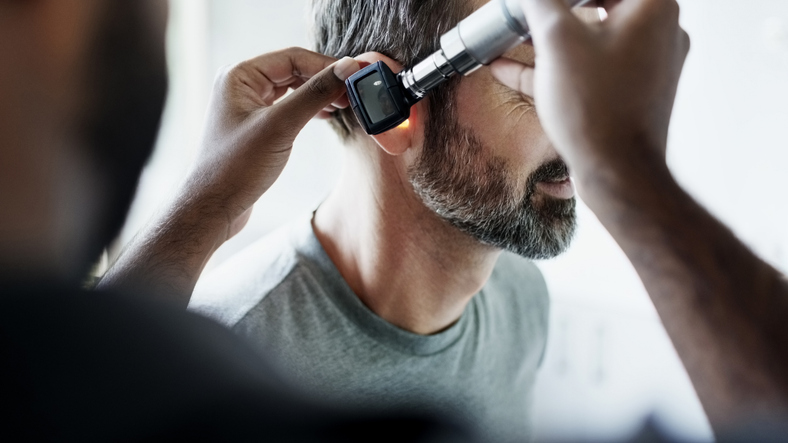
Categories: ENT
Tags: Hearing Loss, Hearing Screening, Audiology, Audiometric Test
Hearing loss often creeps in slowly. Many people do not notice it at first. The TV gets a little louder. Conversations in busy rooms take more effort. Soft voices, like a grandchild’s, start to fade. Often, a spouse or family member spots the change first.

Here’s the thing: Putting off a hearing test is common, but waiting has real costs. In this article, Jana Wahlen, an audiologist with Riverside Hearing Specialists, explains the early signs, what a hearing test involves, and what comes next.
Audiologist or ENT? Which Professional Fits Best
When a person wants to investigate hearing loss, there are a couple of options to consider. One is an audiologist. The other is an ear, nose, and throat specialist (ENT). It’s important to know the difference.
An audiologist is a hearing specialist. They test hearing levels. They can also do balance testing and auditory processing testing. An ENT is a medical doctor who specifically treats ear, nose, and throat problems. Many people mix the two up. But, both play a role in ear care. An audiologist is often the right first stop when the question is how well you hear.
Early Signs to Watch Out For
Family often notices hearing loss first. “People will come in because their wife sent them or their husband sent them,” states Wahlen. That is often the biggest first sign. Truth is, many people do not realize they have a problem.
Other signs are easy to brush off. Turning the TV volume up is a common one. So is missing what soft-spoken grandchildren say. If a loved one mentions a change, it’s important to take it seriously. A quick hearing test can give clear answers.
What Happens at a Hearing Test
When one is considering a hearing test, a referral may or may not be needed. That depends on your insurance. Most private plans do not require one unless it is an HMO. Wahlen urges to check with your insurer first.
In terms of the visit itself? It lasts about an hour. First, the audiologist looks in your ears. In many cases, the problem is just wax. Next comes a check for fluid in the middle ear. Then come tone tests and speech tests. Good news? You get your results at the visit. You’ll also get a written report to take home, as well as a documented version via your MyChart file.
Choosing a Hearing Aid: Insurance and Other Concerns
There is no single best choice when choosing a hearing aid. It really depends on how much hearing you have lost. And, it also depends on your budget and lifestyle. Someone who works in meetings needs more advanced features, whereas a homebody may not.
At Riverside, the price includes ongoing service. “The price you pay for your hearing aids includes all your service as long as you own them,” assures Wahlen. That covers cleanings and adjustments.
One important note: Medicare does not pay for hearing aids, yet some supplement plans do. Most plans cover one hearing test a year. Wahlen’s best advice? Ask your insurer about your hearing health benefits.
If you’re considering over-the-counter devices, they range from $100 to thousands. Unfortunately, you usually get no professional help to ensure you have the right one for your needs. The upside? They can work as a bridge for mild hearing loss. In fact, some ear devices (like an AirPod) offer a boost to hearing capacity.
Keeping Your Hearing Aids Working: Tips and Tricks
Most people keep their hearing aids five to seven years. Quick tip? Devices kept clean last longer. Regular checkups help as well. At Riverside, cleanings and adjustments are included in the price for as long as you own the devices, so there is no extra cost to stop in.
Word of caution: Many hearing aids end up in a drawer. Often, the owner never went back for an adjustment. Frustration sets in, and the devices get tossed aside instead of fixed. This is common when someone was pushed to get hearing aids and never felt fully on board.
And, hearing can also change over time. If no one rechecks one’s levels, the hearing aids may stop helping as much as they once did. A yearly hearing test, or one every other year, can catch these changes. Most insurance plans cover one hearing test a year. Small adjustments from a professional can make the devices comfortable again.
Final Message: Do Not Wait
Wahlen’s main message is simple. “Don’t wait too long.” Hearing loss raises the risk of falls. It also raises the risk of cognitive decline. The good news is that this risk can be changed. Studies show hearing aids may even reverse some brain changes.
To make an appointment, call Riverside Hearing Specialists. Find the number at riversidehealthcare.org.
Related Providers
Related Articles
Life After Cancer: How to Support Survivors
With the advancements in treatments and improvements in diagnosing cancer, the number of cancer survivors...
What Does Your Sleep Position Indicate About Your Health?
If you’ve ever had a surgical procedure or medical condition that prevented you from sleeping in the po...