If you feel like your mood and energy levels are lower amidst the shorter, less sunny days or winter, you might have seasonal affective disorder (SAD).
SAD, also referred to as the winter blues, is actually a form of depression. It typically starts in the fall, deepens in winter and goes away in spring and summer.
SAD seems to be driven by the seasonal dimming of sunlight in winter. Low light may interfere with hormones involved in mood and sleep, which, in some people, may contribute to feeling depressed, sleepy and sluggish.
Living in the Northern Hemisphere, your chances of having SAD increase the farther north you live from the equator. SAD is also four times more common in women than in men.
Due to the lack of sunlight in the winter months, at-home light therapy has become a popular remedy for SAD.
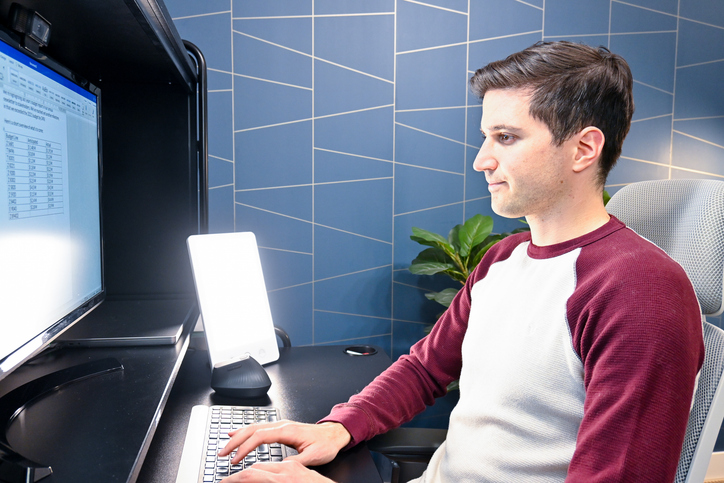
According to the Mayo Clinic, light boxes are designed to deliver a therapeutic dose of bright light to treat symptoms of SAD. There are many different types of light boxes. All light boxes for SAD treatment are designed do the same thing, but one may work better for you than another.
“If you’re experiencing symptoms of SAD, please be sure to talk to your provider,” said Dr. Naga Pushpa Guntupalli, an MD in Riverside Healthcare’s psychiatry department. “Together, you can determine a treatment plan that’s best for you. This could include light therapy, which mimics outdoor light and can cause a chemical change in the brain that enhances mood while improving other symptoms of SAD.”
Symptoms of SAD
Many of the symptoms of SAD are like those of major depression except that they come and go with the seasons. They include:
• Feeling sad or in a low mood most of the time.
• Stronger desire for sleep.
• Having low energy, even if you sleep too much.
• Losing interest in your usual activities.
• Gaining weight from overeating, especially carbohydrates.
• Feeling hopeless, worthless or guilty.
• Having trouble concentrating.
• Having thoughts of self-harm.
If you’re experiencing these symptoms, talk to your healthcare provider. Treatment can involve spending time near a special light box (light therapy), taking medications, undergoing counseling or doing all of these things.
Generally, the light box should provide an exposure to 10,000 lux of light and produce as little UV light as possible. Typical recommendations include using the light box for about 20-30 minutes within the first hour of waking up in the morning, at a distance of 16 to 24 inches from your face (check manufacturer’s instructions) with eyes open but not looking directly at the light.
Talk to your health care provider about light box options and recommendations, so you get one that's best suited to your needs.
To make an appointment with a provider to speak about symptoms of SAD, schedule with your established provider through myRiverside MyChart or, to establish care with a provider, visit myrhc.net/acceptingnew.
Related Providers

Elizabeth D. Deck, FNP-BC, BC-ADM, CDCES, DNP
Primary Care +1 more


Related Articles
Information on Mental Health and Your Primary Care Provider
Many people do not realize that mental health care can start at a regular primary care visit. You do not ...
Finding Peace in the Holiday Season: Caring for Your Mental Health
The holiday season is often described as “the most wonderful time of the year,” but for many people, ...