
Colonoscopies come with a lot of myths and a fair amount of dread. Many people put them off because of the prep, the unknowns, or simply not wanting to think about it. But, colon cancer is the third most common cancer in the United States, and screening is one of the best tools we have to catch it early, or even prevent it.
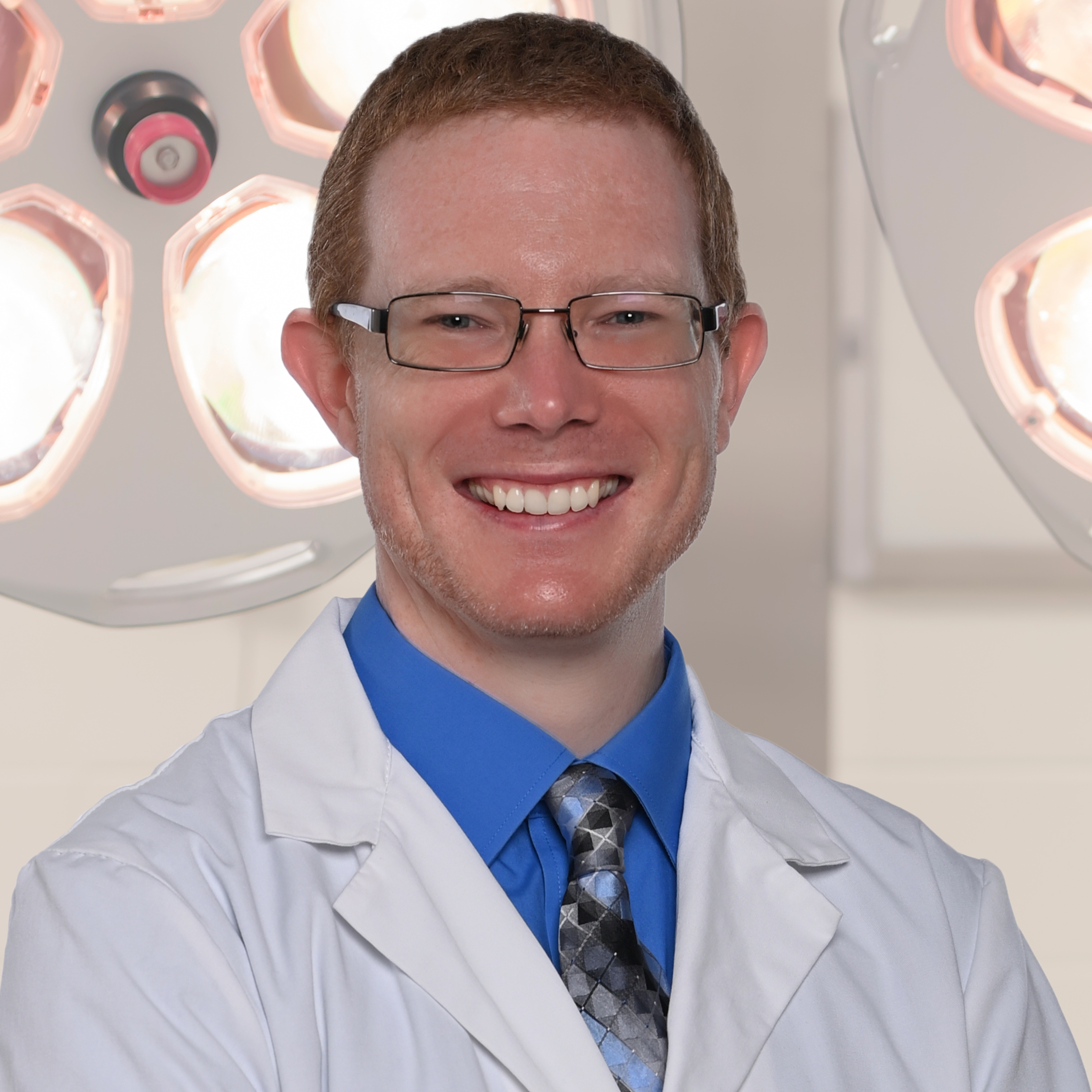
Here, Dr. Steven Groene, general surgeon at Riverside Healthcare, answers the questions patients ask most—and clears up some common misconceptions along the way. What he has to say might just surprise you!
What Is a Colonoscopy?
A colonoscopy is an outpatient procedure. You come in, have the procedure, and go home the same day. You are under light sedation, so you stay comfortable and do not remember it. A flexible scope looks at the inner lining of the colon. Doctors are checking for polyps, small growths that can sometimes turn into cancer over time.
“Our number one goal is to hopefully find absolutely nothing,” states Dr. Groene. If something concerning is found, the goal is to catch it in the earliest possible stages, before it becomes a problem.
Are Some People at Higher Risk?
Colon cancer is the third most common cancer in the United States. About 160,000 people are diagnosed each year. A small group, 5-10%, has a genetic condition that raises their risk significantly.
But, for most people, risk builds from everyday factors instead. Diets high in red meat or processed food raise risk. So do obesity, inactivity, heavy alcohol use, and smoking. A personal history of polyps, a family history of colon cancer, and inflammatory bowel disease all matter as well. Risk also increases simply with age.
Colorectal Cancer’s Warning Signs to Watch Out For
Some symptoms should prompt a call to the doctor. These include blood in the stool that keeps happening (not just a one-time spot). Unexplained weight loss is another sign, as is lasting changes in bowel habits—like going from daily bowel movements to just once a week. Additionally, ongoing fatigue, especially paired with low blood counts, can point to something more serious.
Of course, there is no wrong time to seek a professional opinion. Increasingly, the medical community is advocating for a “you know your body best” approach. If you feel something is off, that’s likely your instinct kicking in.
When Should You Start Colon Cancer Screening?
The recommended starting age for colorectal cancer is now 45, lowered from 50 a few years ago. Screening should continue through age 75, but then it becomes a personal decision based on health.
However, there are two groups that should start earlier. If a parent or sibling was diagnosed with colon cancer before age 55, screening should begin 10 years before that relative's diagnosis age. People with certain genetic conditions may need to start in their teens or early 20s.
Tips for Surviving Colonoscopy Prep
Physicians like Dr. Groene will tell you that time and time again, people’s hesitation is that dreaded preparation process. Yet, the prep exists for a reason. Even small amounts of leftover stool can hide tiny polyps, which is clearly a risk. “We’re not just doing it to be mean or malicious,” notes Dr. Groene. “But truly, we really need to get as much of the stool and poop out of your colon as we can.”
Dr. Groene’s advice? Go slow if needed. “It’s much better to finish your prep, even if that means it takes a few more hours than what our instructions tell you,” he advises. “I’d much rather you slow down and finish the prep in a time that you can get it done.” That beats getting sick and stopping early.
Taking the afternoon off before the procedure helps as well. Drinking extra fluids beyond the prep itself can also ease nausea and prevent dehydration. If a past prep was hard to tolerate, other options exist. So, it is worth asking.
What to Do Next
Anyone with symptoms or risk factors should start with their primary care provider. The Riverside office can also be reached directly at 815-933-2221.
Dr. Groene's biggest message is simple: do something. A colonoscopy remains the gold standard, since it can both detect and remove polyps in the same visit. However, other screening options exist (like Cologuard or FIT testing). And, if symptoms are causing worry, speak up. “Please don't be afraid to talk to somebody,” he urges.
To learn more about Riverside's surgical services, visit myrhc.net/surgery.
Related Providers
Related Articles
How a Breast Cancer Support Group Is Healing Together
A grassroots group of breast cancer survivors is proving that healing happens best in community.When Rive...
Finding “C” for Community in a Cancer Journey: Mike & Kim's Story
For Kim and Michael O’Farrell, cancer has not been a single chapter. It has been a series of hard turns...