Not a Runner? You May Still Have Runner’s Knee
March 13, 2026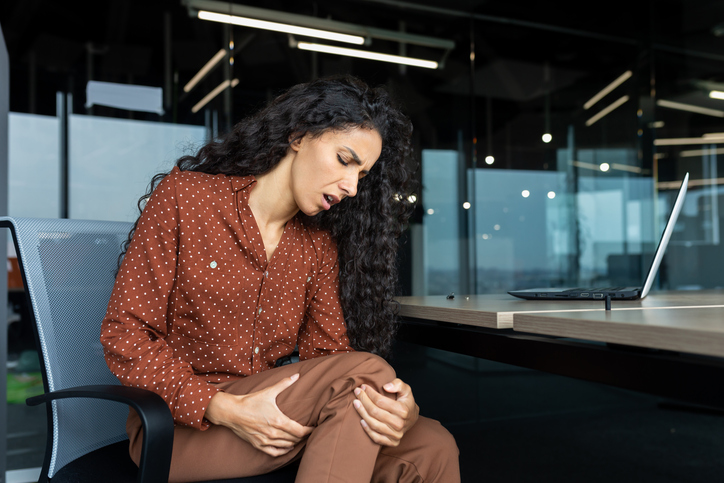
What Is Runner’s Knee?
If you're experiencing dull, aching pain around or behind the kneecap, there is a chance you're feeling the effects of runner’s knee.
“Runner’s knee is also known as patellofemoral pain syndrome,” says Ashley Rim, Riverside Physical Therapist. “While common in runners, anyone can experience it. It is a common overuse injury that presents as pain around the knee or the kneecap. If pain persists, it may be necessary to see an orthopedic specialist for proper diagnosis, who may refer you to physical therapy for treatment.”
Common Symptoms
People with runner’s knee may experience several noticeable symptoms, especially during everyday activities.
Common signs include:
- Dull, aching pain around or behind the kneecap
- Pain when walking up or down stairs
- Discomfort while squatting or kneeling
- Pain after sitting with knees bent for long periods
- A grinding, popping, or clicking sensation in the knee
These symptoms may start mild and gradually worsen over time if the underlying cause is not addressed.
What Causes Runner’s Knee?
Runner’s knee is usually caused by stress on the knee joint over time, rather than a single injury. Despite the name, anyone can develop runner’s knee – not just runners. It often occurs when the kneecap does not move smoothly as the knee bends and straightens. This can be caused by weakness or tightness of leg and hip muscles, sudden increases in activity, or wearing shoes that do not provide proper support. Rather than the result of a single injury, it is usually a problem that builds over time.
Impact on Daily Life
Many people first notice runner’s knee during normal daily activities. This pain can show up in simple moments like walking down stairs, standing up from the couch, or sitting through long meetings. Because it often starts mild and gradually becomes more noticeable, many people ignore it at first.
How Runner’s Knee Is Diagnosed
Healthcare providers can often diagnose runner’s knee through a physical examination.
“Runner’s knee can be diagnosed in the clinic by a physician by checking way the knee cap tracks with movement, the strength of the hips, stability at the knee, ankle and foot mechanics,” says Dr. Snigdha Kalidindi, Orthopedic Specialist with Riverside’s Sports Medicine team.
A physician may evaluate knee motion, strength, balance, and overall joint alignment.
Treatment Options
The good news is that most cases of runner’s knee improve without surgery. Treatment usually focuses on reducing stress on the knee and improving muscle strength and flexibility.
Common treatment approaches include:
- Strengthening exercises for the hips and legs
- Stretching tight muscles around the knee
- Gradually returning to activity
- Wearing supportive footwear
- Icing the knee after activity to reduce soreness
In many cases, physical therapy plays an important role in recovery, helping patients strengthen muscles and improve how the knee moves.
How to Prevent Runner’s Knee
Simple habits can help reduce the risk of developing runner’s knee.
Prevention tips include:
- Strengthening the hips and leg muscles
- Increasing exercise intensity gradually
- Warming up before physical activity
- Taking breaks from long periods of sitting
- Wearing supportive, properly fitting shoes
These small changes can help protect the knee joint and reduce strain over time.
When to See a Healthcare Provider
As a general rule, if knee pain lasts more than a few weeks, gets worse over time, or begins to limit your daily activities, you should speak with a primary care provider or physical therapist. Swelling, catching, or a feeling that the knee may give out are also signs that it’s time to get checked out.
Recovery Is Possible
Runner’s knee is a common and treatable condition that affects far more than just runners. With proper diagnosis, strengthening exercises, and guidance from a physical therapist or orthopedic provider, many people can reduce pain and return to normal activities.
To learn more about Riverside’s rehabilitation and therapy services, visit myrhc.net/rehabilitation. To learn more about Riverside Orthopedic Specialists, visit chooseriversideortho.com.
Related Providers


Related Articles
Keep the “Madness” on your bracket with Riverside Physical Therapy
As fans start filling out their brackets for March college basketball tournaments, they may be inspired t...
Have an Orthopedic Concern? Riverside’s Walk-In Clinic Can Help
Have an Orthopedic Concern? Riverside’s Walk-In Clinic Can HelpWhen joint pain, a sprained ankle, or a ...