Pastoral Care During Cancer Treatment
September 14, 2026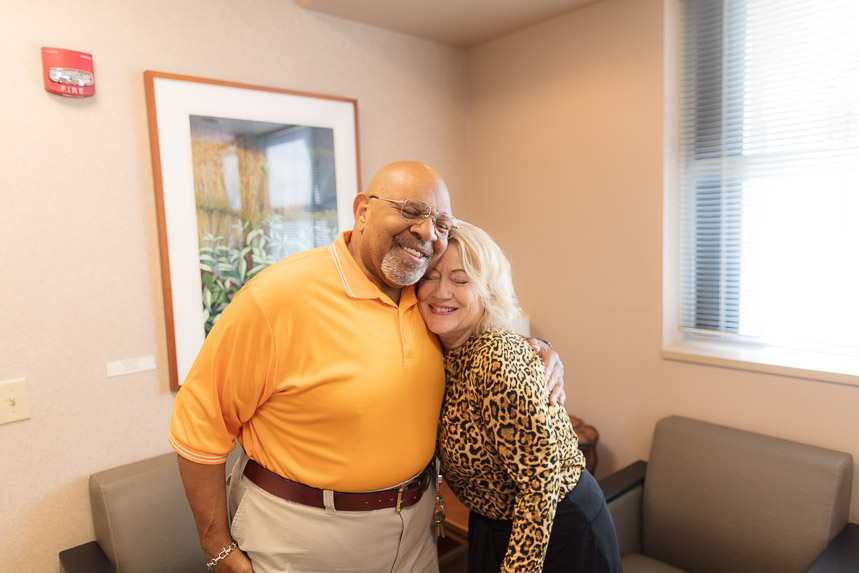
Categories: Cancer
Tags: Cancer Care, Oncology, Pastoral Care
A cancer diagnosis affects far more than the body. Both emotional and spiritual healing are important elements during this difficult time. Here, Denise Salem a chaplain with the Riverside Cancer Institute, offers patients and families what that support looks like. 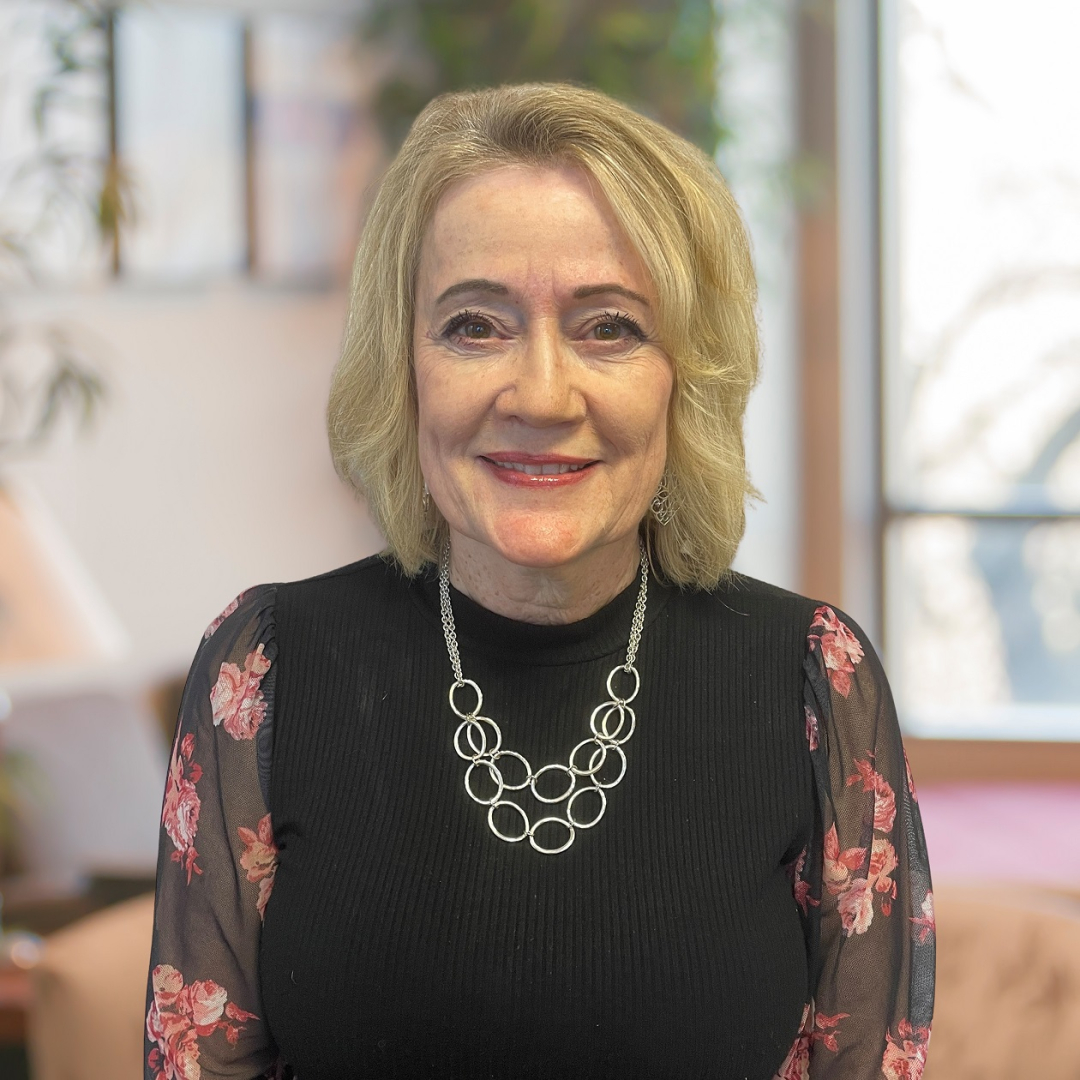
An Unexpected Path
Salem spent 30 to 35 years in marketing and public relations before becoming a chaplain. A friend suggested she try clinical pastoral education. The outcome? She liked it. Salem completed a year-long residency in Kankakee, Illinois. Then, Riverside Medical Center offered her a new position as the outpatient oncology chaplain. “I didn't realize that it would lead me here, much less keep me here,” she recalls.
What Pastoral Care Really Means
Salem is not a pastor and does not lead a congregation. Her role involves no preaching or pressure of any kind. “Chaplaincy is a position that allows people to grow and heal emotionally and spiritually,” she explains. And, she serves people of all faiths—and those with none at all. “Pastoral and spiritual care gives patients the opportunity to be heard and feel heard,” she adds.
Who Can Benefit from Pastoral Care?
Anyone who wants someone to talk to can request a visit. Belief in a specific religion is never required. “We don't hold boundaries for who deserves it, who needs it,” Salem assures. “It's open to everyone.” Sometimes, patients simply want company. A hospital bed or chemotherapy chair can feel lonely, and just having someone there to “be there” is comforting.
Common Emotional Struggles
Fear of the unknown is one of the most common feelings Salem encounters. Guilt can surface, too, as patients wonder if they could have prevented their diagnosis. She also describes a phenomenon called “cancer ghosting,” where friends or family members disappear from a patient's life, often out of fear or uncertainty about how to help. “It leaves them feeling hopeless and sad,” notes Salem.
Importance of Supporting Caregivers
Caregivers carry their own heavy burden. Salem encourages them to rest, eat well, and lean on their own support systems. “It's important, too, that they take care of themselves,” she urges. She makes a point of including family members in conversations, since they are part of the journey as well.
How to Show Up for Someone
For those unsure what to say to a loved one with cancer, Salem's advice is simple: just show up. She recalls one patient whose sibling sent a daily text with a meme or a word of encouragement. Another patient's friend group held a nightly group chat and devotion together. “It's okay to get creative and use your imagination as to how you're going to show up for someone,” shares Salem.
Where Hope Comes From
Trust in the medical team is often the first source of hope. Salem often hears patients say, “I love my doctor,” or “The nurses are great.” Looking forward to future milestones, like a wedding or a planned trip, also gives patients something to hold onto. “It gives them a good reason to keep fighting the fight,” she notes.
A Team Built on Encouragement
Above all, Salem sees her role as one of steady encouragement, offered freely to patients, families, and staff alike. “We are an encouraging team.” To learn more about cancer services at Riverside, visit riversidehealthcare.org/cancer.
Related Providers

Related Articles
Beverly's Colon Cancer Story
At 91 years old, Beverly Stein is still enjoying life outside with her friends and family. But, that almo...
'Every Day Is a Blessing': Jason’s Journey Through Colon Cancer
When Jason was 48 years old, his life changed in an instant. After noticing blood in his stool, he went t...