Well Visits in Your Child’s First Year of Life
December 11, 2025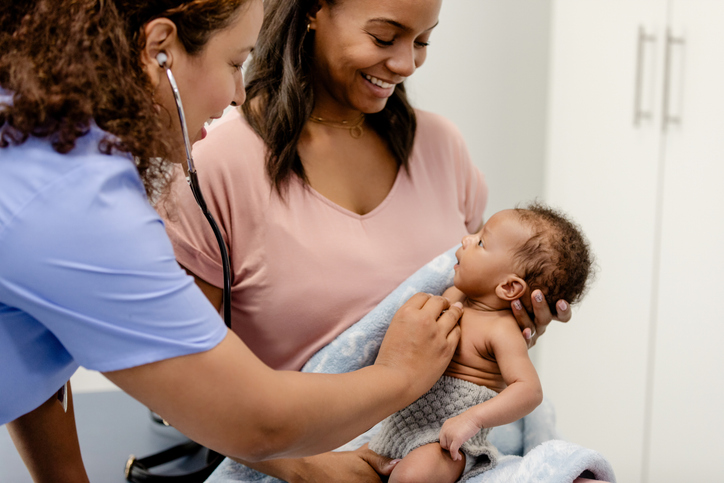
Categories: Pediatrics
Tags: children, Well Baby Care, Vaccinations
Your baby’s first year is filled with exciting milestones—from first smiles to first steps. But behind the scenes of every coo and cuddle, there's something just as important happening: routine well-child visits. These regular checkups are more than just a chance to measure growth or get vaccinations. They’re a vital part of tracking your child’s development, catching potential health concerns early, and building a strong relationship with your pediatrician.
In this article, Dr. Federico Herrera—pediatrician at Riverside Healthcare—breaks down what to expect at each visit, why they matter, and how they help lay the foundation for a healthy future.
What Is the Purpose of the Well Visit?
The first year of life is crucial for monitoring a baby’s overall growth and development. It's important not only to track physical markers like weight and length but also to ensure appropriate neurodevelopment at each visit. Timely and consistent well-child appointments help providers assess and support this progress.
“There's always a little bit of cushion in between appointments, plus or minus a week or so. But, the more accurate they are to come to their set appointments, the better the understanding of what is expected,” states Dr. Herrera. “We also use those times to answer parents’ questions.”
Well Visit Timelines
The American Academy of Pediatrics recommends a newborn checkup within five days of hospital discharge, followed by well visits at one, two, four, six, nine, and twelve months. Each visit includes vital checks (such as heart rate and temperature), growth measurements (weight, length, and head circumference), and monitoring of neurodevelopmental milestones.
While milestone timelines—like sitting, standing, and walking—have general expectations, there is a normal range of variation. Parents are encouraged to ask questions but reminded that comparing children can sometimes lead to unnecessary worry, as each child develops at their own pace.
“Through my assessment and plan, I always relay that if they are already at a certain milestone, then of course that’s great. If they're not there yet, I encourage doing some practicing and certain exercises with the babies to get closer to those milestones,” notes Dr. Herrera. “Of course, if we see they're falling way behind, there are opportunities for other referrals and things we can do to make sure patients get back on track.”
What Are Some of the Most Pressing Developmental Concerns?
Common parental concerns during the first year often center around feeding—especially breastfeeding in the early weeks. Pediatricians frequently provide lactation support and guidance on formula options, which vary depending on a child’s needs. As babies grow, anticipatory guidance becomes key. At around four months, parents may notice teething behaviors and interest in solid foods, but solid food introduction is typically recommended around six months to protect against gastrointestinal infections.
“Feeding is a big concern. There are a lot of trends out there, and I'm not necessarily against trends. It’s just really important to address anything with your provider,” cautions Dr. Herrera. “For example, a popular approach today is baby-led weaning. I'm not against it, but we have to be very careful when taking that approach.”
As developmental milestones like sitting, standing, and walking approach, pediatricians offer advice on safe positioning, supporting motor skills, and preventing injuries—helping parents navigate these transitions with confidence.
Role of Vaccinations in a Child’s Developmental Years
Vaccinations are a vital part of a child’s healthcare, though the topic can be challenging due to the mix of reliable and misleading information online. Parents are encouraged to seek credible medical sources over anecdotal blog posts or reviews, which may skew negative.
The importance of vaccines is evident in real-world outcomes—such as a recent measles outbreak in Texas, where nearly all affected individuals were unvaccinated. Vaccines not only protect the individual but also create a “cocooning effect,” offering indirect protection to those who can't be vaccinated, like immunocompromised individuals. Open, informed discussions with healthcare providers can help parents understand the timing, purpose, and life-saving impact of vaccines.
While Dr. Herrera respects parents’ and caregivers’ choice to make the right decision for their child, and their personal wishes, he does gently reinforce the benefits of vaccination at every well visit. “It’s not about trying to convince. Ideally, we want to make sure they make a knowledgeable decision. Hopefully by getting more reliable information, they realize, ‘Oh yeah, that makes sense.’”