Why Some Wounds Don’t Heal—and How Riverside’s Wound Center Helps Them Close
December 11, 2025
Categories: Wound Care
Chronic wounds can be frustrating, painful, and—left untreated—dangerous. At Riverside’s Wound Center, Elaine Papineau, DNP, APRN-BC, CWCN-AP, has spent years helping patients understand why a wound may stall and what it takes to get healing back on track.
“I’ve been with Riverside for seven years when I came back to the area as an advanced practice nurse who specializes in wound care,” she shares. When it comes to non-healing wounds, she wants patients to know there’s real help available—often close to home.
What Counts as a Chronic Wound?
Most everyday cuts and scrapes follow a predictable arc: less drainage, less pain, and a shrinking wound over one to two weeks. “A typical cut or injury that heals on its own shows progress of healing. The drainage is decreasing, the pain is decreasing. The size of the wound is decreasing, and that should all occur within about one to two weeks for most wounds,” Papineau explains.
When there’s a chronic wound, the patient doesn’t see signs of healing. The drainage is still heavy. Individuals may still be having pain, redness, swelling around the wound area. That suggests they need more assistance with their treatment plan.
Underlying health issues can tilt the balance. Poorly controlled diabetes, smoking, and chronic swelling—common in conditions like congestive heart failure—raise the risk that a little bump or a scratch can turn into a “big deal.”
What Happens at a First Visit
From the moment patients check in, the team is gathering the information needed to design a plan. “Initially they’re greeted by our receptionist and then one of the nurses come out and brings the patient back to the clinic from the waiting room,” Papineau says. That nurse takes their vitals and reviews their health history, medications for accuracy, immunization history. And, they measure the wound. “They’ll document what the wound looks like, the amount of drainage, what their pain level is, if they’re a smoker, if they’re a diabetic, and they’ll start some basic teaching of how to manage the wound and what to expect from the wound clinic.”
Papineau then sets clear, evidence-based goals. “If their goal is healing, we want to see a fifty percent area reduction in the first four weeks of treatment. The literature indicates that if we’re able to get that in four weeks, eighty percent or better of the population will realize healing by 12 to 16 weeks.”
Don’t Wait: Signs You Need Advanced Care
It’s easy to rationalize a slow-to-heal wound—until delay makes things worse. Papineau’s rule of thumb is to act early. “If they haven’t seen signs of healing within the first one to two weeks, they should consider seeking more advanced care,” she urges.
Chronic conditions like diabetes, heart or kidney disease, and any history of non-healing wounds are additional reasons to be seen sooner, as opposed to later. Specific red flags include odor, increasing redness or pain, and more drainage than what one bandage change a day is able to handle.
A Team Built Around Your Wound—And You
Every wound has a cause. The Wound Center’s job is to find it and fix it where possible. “We try to be very collaborative with the patient as the center of our focus. We bring in interventionalists, other specialties as needed. Each patient may need a different either, specialty care provider or a different personality,” Papineau explains.
That may mean vascular surgery to restore arterial blood flow or address venous pressure; cardiology to reduce edema with medications that help give the heart a “better squeeze”; infectious disease for persistent infections; and general surgery, orthopedics, or podiatry when there’s bone exposed or hardware exposed from previous orthopedic surgeries or, podiatric surgeries. “We may need to have that hardware removed and we go back to the source,” adds Papineau.
Advanced Options You Won’t Find Everywhere
Beyond expert dressings and meticulous local care, Riverside offers therapies that can jump-start healing—without a long drive. “We offer hyperbaric medicine. That’s indicated for radiation tissue necrosis. We see a lot of diabetic foot wounds,” Papineau notes. The team also uses special dressings that help manage not only the drainage but the odor, chosen with comfort in mind during application and removal.
And, if a wound isn’t meeting early reduction targets, the team can escalate. “We have special cell therapy, where if we don’t see reduction in that first four weeks, we can put biologic cells that are growing in the lab on their wound to help them build their own new cells and heal their wound.”
Your Role in the Plan
Technology and teamwork matter—but so does patient buy-in. “Just because it heals slow doesn’t mean they have to accept that. There are things that we can do in the wound clinic that help promote their healing and their comfort,” Papineau assures. “Their buy-in to our treatment plan is very, very important. The individuals who follow the treatment plan as closely as possible achieve the best and fastest outcomes.”
Questions are encouraged at every step. “We appreciate patients that come with questions because we can help alleviate their fears oftentimes,” she adds. “We encourage them to use MyChart to contact us or to call the clinic and we get back to them as fast as we can. I tell my patients that even if you’re coming tomorrow to see me and you have a question today, I want you to call because if I can take that fear away, I want to do that as fast as possible.”
Related Providers
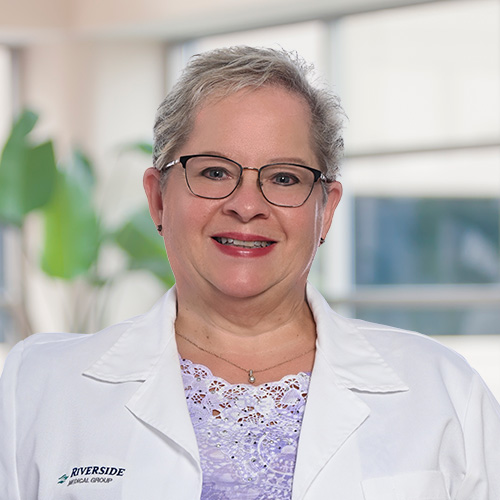
Elaine Papineau, DNP, APRN-BC, CWCN-AP
Wound Care
Related Articles
Tips for Winter Joint Pain Relief
Winter weather—particularly cold—can cause slow, achy joints, making it hard to move. If you’re loo...
Nourishing Your Health: Food Nutrition Basics
Good nutrition is the foundation of a healthy and fulfilling life. Understanding the basics of food nutr...