Oncology and Hematology: What These Doctors Do and Why It Matters
June 18, 2026
Categories: Cancer Care
Tags: Cancer, Hematology
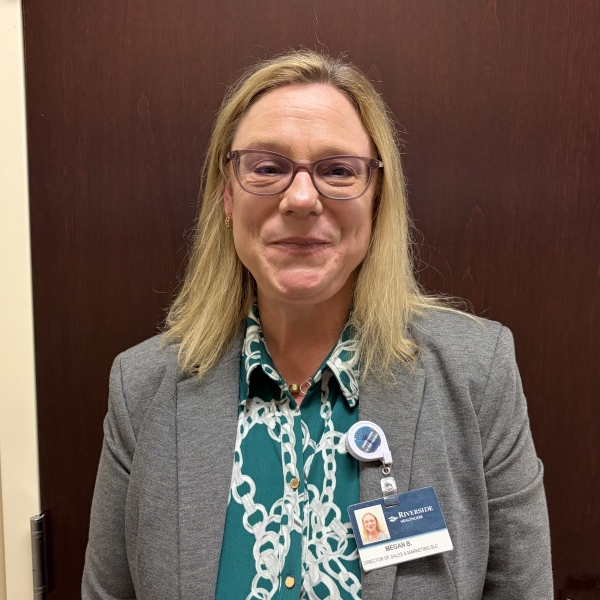
Hearing the word "cancer" can stop a person in their tracks. But, the doctors who treat it want patients to know there is more hope today than ever before. Dr. Patrick Moore, oncologist and hematologist with the Riverside Cancer Institute, explains what his role involves—and why a cancer diagnosis is not what it used to be.
Dr. Moore’s Personal Path to Medicine
Dr. Moore's calling came from his own family. His father received a diagnosis of prostate cancer right before Dr. Moore started medical school. His aunt battled stage four breast cancer years earlier. The compassion her doctors showed left a lasting mark.
He also recalls a moment from his training that stuck with him. A patient came in scared and crying after a breast cancer diagnosis. “By the time she left the visit, she was smiling and laughing and had a new perspective on life,” he shares. “They basically told her we could cure it. And we eventually did.”
Oncology vs. Hematology: Understanding the Nuances of Each
The two fields of oncology and hematology overlap quite a bit. Oncology deals with solid tumors; cancers you can see and feel, like lung, breast, and colon cancer. Hematology is the study of blood. Some blood conditions are benign, like iron deficiency anemia. Others are blood cancers, like lymphoma and leukemia. Most doctors in this field, including Dr. Moore, train to treat both.
In fact, many complete a combined fellowship covering both specialties. A select few go on to focus on just one area, like lung cancer or leukemia. Those doctors are often found at large university centers, where patients go for highly specialized care. But, most hematology oncology doctors treat the full range of conditions.
On the hematology side, that range is wide. Dr. Moore treats vitamin deficiencies that affect red blood cell production, like low B12 and folate. He sees patients with high or low platelet and white blood cell counts. He also manages blood clots… figuring out what caused them and whether a patient is at risk for more. Sometimes the cause is clear, like a long flight or a recent illness. Other times, it takes more digging.
Cancer Is Not a Death Sentence
Dr. Moore knows the fear that comes with the word cancer. He felt it himself growing up. With that in mind, he wants the community to understand how much has changed.
“Most of the time, people hear cancer and think that it is a death sentence. That's not necessarily the case,” he assures. “A lot of times, we catch it early. And in many cases, when we're able to catch cancer early on, we're able to cure those conditions.”
Treatment has also come a long way. Surgery, chemotherapy, and radiation remain common. Newer options like immunotherapy—which uses the body's own immune system to attack cancer—and targeted drug therapies are changing the field. “It's continuing to advance," he states. “There's always something coming out almost every week or every month.”
Benefits of a Team Approach
At the Riverside Cancer Institute, no patient goes through treatment alone. The care team includes doctors, nurses, physician assistants, social workers, dieticians, psychologists, therapists, and more. “Everybody is here to help out and do everything we can to make this experience as comfortable as possible,” Dr. Moore emphasizes.
Each member of the team plays a specific role. As the oncologist, Dr. Moore focuses on diagnosis and building a treatment plan. Everyone around him helps carry that plan out and supports the patient along the way.
Social workers step in when financial concerns come up; something that weighs heavily on many patients. Dieticians help cancer patients maintain good nutrition during treatment, which can be a real challenge. Nurses provide hands-on care in the infusion area, making sure patients are as comfortable as possible during their treatments. Pastoral care and psychology support patients emotionally through what is often one of the hardest seasons of their lives.
The goal across every role is the same. Get the patient through treatment as safely as possible and make sure they feel supported every step of the way.
Concerned? Warning Signs to Watch Out For
Some symptoms deserve attention. Constant fatigue, shortness of breath, or a racing heart can signal anemia. Unexplained fevers, night sweats, and weight loss without trying are also red flags. Dr. Moore recommends yearly blood work, including blood counts and kidney and liver function tests. His final advice is simple. “Always listen to your body,” he urges. “Don't ignore any symptoms that might be persistent more than a couple weeks.” Keep up with cancer screenings like mammograms and colonoscopies. And, make sure to see your primary care doctor every year. To learn more about the Riverside Cancer Institute, visit the Riverside Cancer Institute page.
Related Podcast:
Related Providers
Related Articles
Finding “C” for Community in a Cancer Journey: Mike & Kim's Story
For Kim and Michael O’Farrell, cancer has not been a single chapter. It has been a series of hard turns...
How a Breast Cancer Support Group Is Healing Together
A grassroots group of breast cancer survivors is proving that healing happens best in community.When Rive...