The ABCDEs of melanoma: How to recognize this skin cancer
May 9, 2025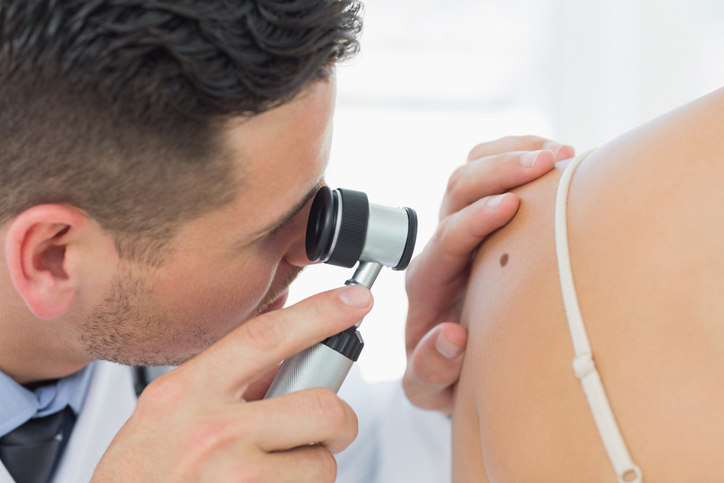
Many of us aren't eager to take a close look at our own skin — but doing so could save your life. Self-exams are one of the best ways to catch melanoma, the most deadly form of skin cancer, before it has a chance to spread.
Though less common than other skin cancers, melanoma can spread to other parts of the body if not caught early — and can be fatal if diagnosed at a late stage. But when found early, melanoma is very treatable.
How to Spot Melanoma
Melanoma can look different on different people. It's often mistaken for a mole, freckle, or age spot, so knowing the difference matters. Doctors use a simple checklist called the ABCDEs of melanoma. If you find a spot on your skin, ask yourself:
- Asymmetry: Does one half of the spot look different than the other?
- Border: Does it have an irregular or undefined border?
- Color: Does it have different shades of tan, brown, or black — or areas that are white, red, or blue?
- Diameter: How big is it? Melanomas are usually larger than a pencil eraser, but they can be smaller.
- Evolving: Has the spot changed in shape, size, or color?
Get to Know Your Skin
Here are six simple steps to check your body for melanoma:
- In a full-length mirror, look over the front and back of your body. Raise your arms to check your sides.
- Closely examine your forearms, underarms, and palms.
- Check between your toes and the soles of your feet.
- Use a hand-held mirror to see the back of your neck and scalp.
- Part your hair to get a closer look at the skin on your head.
- Use the hand-held mirror to check your back and buttocks.
Self-exams are a great first step, but only your provider can diagnose skin cancer. If you find a spot that concerns you, don't wait — make an appointment. The earlier melanoma is found and treated, the better.
Brachytherapy to Treat Skin Cancer
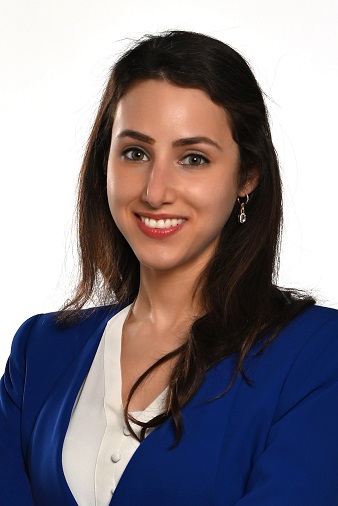
Riverside Cancer Institute has added Brachytherapy as a treatment option — a localized form of radiation therapy that is ideal for cancers near the body's surface or those visible during an exam.
Riverside has traditionally used external beam radiation, a non-invasive technique where radiation is delivered from a machine outside the body. Brachytherapy works differently, delivering radiation more directly to the treatment site.
"Skin cancer is one of the cancers we treat," says Dr. Issra Rashed, radiation oncologist with the Riverside Cancer Institute. "We have the expertise. We have the facility. We now have the technology here."
To learn more about cancer care at Riverside, visit our Cancer Institute page or listen to Dr. Rashed's "Conversations on Cancer" podcast episode on Brachytherapy: Oncology Podcasts.
Sources: American Academy of Dermatology; American Cancer Society
Related Providers
Related Articles
Brachytherapy: What You Need to Know About This Cancer Treatment
When facing a cancer diagnosis, understanding your treatment options is key to making informed decisions ...
How Is Skin Cancer Treated? Advice from a Radiation Oncologist
When it comes to skin cancer, early detection is only half the battle. The next step is understanding you...