Heart Disease Detection & Diagnosis
We use advanced testing to detect and diagnose heart and blood vessel conditions early—so you can get clear answers and the right next steps, sooner
A 10-Minute Heart Scan, a Lifetime Saved
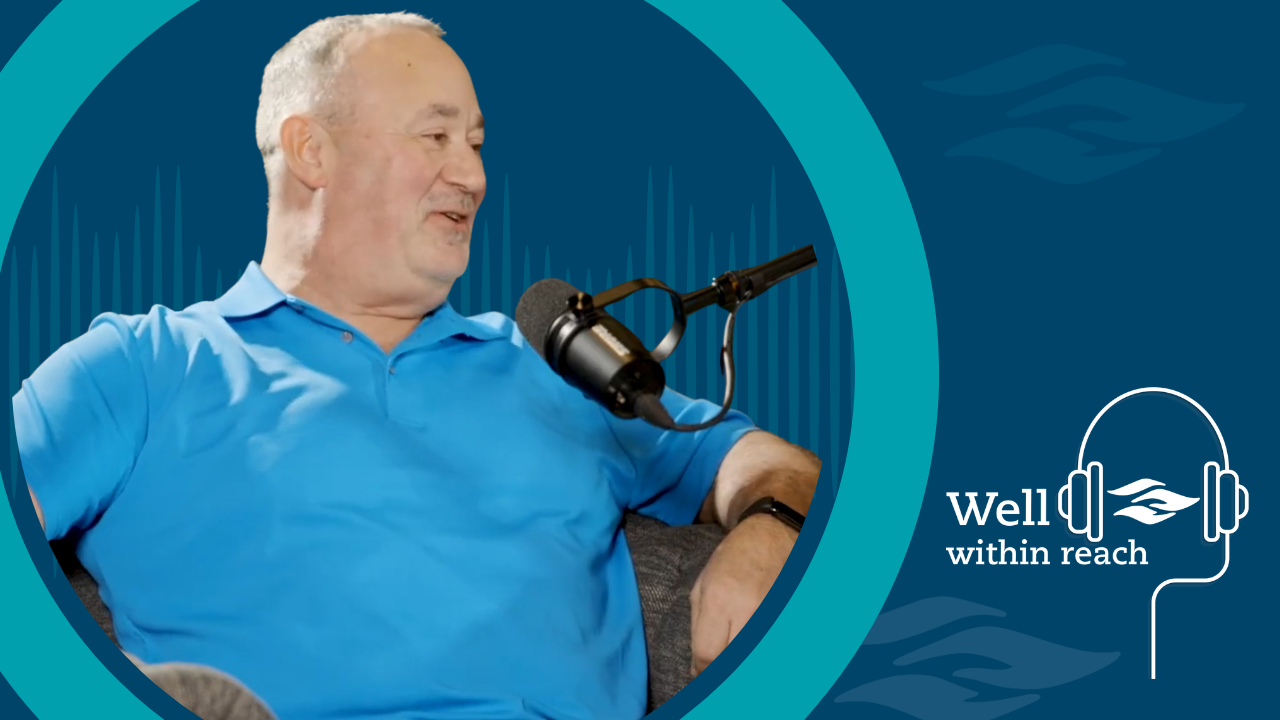
Kankakee native Tom Souligne felt fine, but his free CT Heart Scan at Riverside revealed critical 99% blockages. Quick action by Riverside's Heart & Vascular team restored his energy and spared him a likely heart attack. Listen to his story to learn how early detection can save lives just like Tom's.
Hear Tom's StoryCT Heart Scans: Learn Your Risk
You and your doctor can learn more about your risk for heart disease with a simple, non-invasive CT Heart Scan. The standard cost is $49 with a Riverside Medical Group provider referral.
CT Heart Scan Cost
CT Heart Scans are available for $49. Scans are available at Riverside locations in Coal City and Kankakee.
Should You Get a CT Heart Scan?
The answer is yes if:
Ages 35+
- You are 35 or older
- You have not been diagnosed with heart disease
- You have at least two risk factors listed below
Men 45+ / Women 55+
- You are a man over 45 or a woman over 55
- You have not been diagnosed with heart disease
- You have one or more risk factors listed below
Heart Disease Risk Factors
Do you have one or more of these?
- Family history of heart disease
- High blood pressure
- High cholesterol
- Physical inactivity
- Diabetes
- Obesity
What is a CT Heart Scan?
A CT Heart Scan uses computed tomography, a special type of x-ray that creates highly detailed images of your heart. The scan measures how much calcium is deposited in the coronary arteries, which deliver blood to your heart.
While calcium is important for human health, a build-up of this mineral in the coronary arteries contributes to blockages that can cut off blood flow and cause heart attacks. The CT Heart Scan reveals your calcium score—the higher your score, the greater your risk for developing heart disease.
Schedule Your CT Heart Scan
Choose your preferred way to schedule your appointment.
CT Heart Scan cost: $49. Scans are available at Riverside locations in Coal City and Kankakee. A referral from a Riverside Medical Group provider is required.
If you have an implanted pacemaker, please ask your doctor if you can undergo a CT scan.
Early Heart Attack Care (EHAC)
Early Heart Attack Care (EHAC) helps you recognize early warning signs of a heart attack and know when to act. Many people have symptoms hours—or even days—before a major event. Knowing what to watch for can help you get care sooner and potentially save a life.
Tip: If something feels off—especially chest pressure, shortness of breath, or unusual fatigue—don’t wait. Call 911 or seek emergency care.
Recognizing Heart Attack Symptoms: Are You Prepared?
Join Al Ponton, Riverside's EMS Manager, as he discusses the importance of distinguishing between common discomforts and serious symptoms.
Having trouble playing? Open this episode on our podcast page →
Take the Next Step for Your Heart Health
Whether you're concerned about your heart health or want to take a proactive approach, our Heart & Vascular Institute is here to help.